In today’s fast-paced digital world, tech has become the driving force behind innovation, progress, and global connectivity. From artificial intelligence (AI) to blockchain, from 5G to the Internet of Things (IoT), every aspect of modern life is influenced by technological advancements. The keyword tech represents not just gadgets and software, but an entire ecosystem of ideas, research, and development that fuels growth in nearly every sector imaginable.
Understanding What “Tech” Really Means
The term tech encompasses a broad range of concepts — from consumer electronics to industrial automation, from cloud computing to space exploration. It’s not limited to devices or coding; rather, tech defines the tools, systems, and innovations that make human life smarter, faster, and more efficient. Whether it’s a smartphone in your hand or the algorithms that power your social media feed, technology is the invisible backbone of our modern existence.
The Evolution of Tech
Over the past few decades, the world of tech has evolved at an unprecedented rate. The personal computer revolution of the 1980s, the rise of the internet in the 1990s, the smartphone boom of the 2000s, and the current AI-driven era all represent milestones in this evolution. Each wave of technology has fundamentally reshaped how people live, communicate, and work. Today’s tech is focused on automation, sustainability, and data-driven intelligence — all working toward a smarter, more connected future.
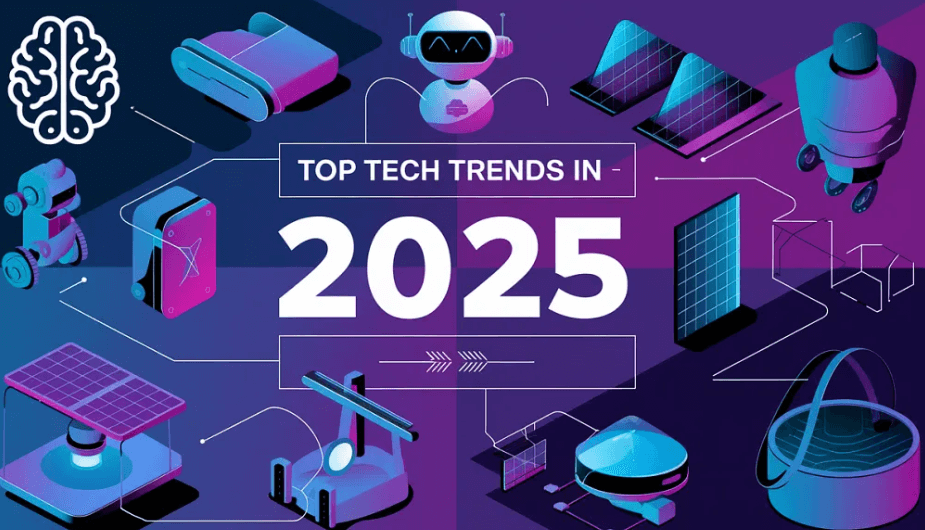
Key Tech Trends Dominating 2025
As we enter a new phase of the digital age, several key tech trends are defining 2025 and beyond. Among them, Artificial Intelligence (AI) continues to lead the charge, transforming industries from healthcare to finance with predictive analytics and automation. 5G technology is powering faster, more reliable communication networks, enabling real-time data transfer for self-driving cars and smart cities. Quantum computing is pushing the boundaries of processing power, offering solutions once thought impossible. Meanwhile, blockchain technology is enhancing transparency and security in transactions, from cryptocurrency to supply chain management.
The Role of Tech in Everyday Life
Tech isn’t just for businesses or researchers—it’s part of everyone’s daily routine. From the smart home devices that control lights and temperature to wearable tech that monitors health metrics, we’re surrounded by intelligent systems designed to simplify and improve our lives. Educational tech platforms have made remote learning accessible to millions, while financial technology (fintech) has revolutionized banking and payments. Even agriculture and construction are now being transformed by tech, making industries more efficient and sustainable.
How Tech Is Shaping the Future of Work
The workplace has been one of the biggest beneficiaries of tech innovation. The rise of remote work, powered by digital collaboration tools like Zoom and Slack, has changed the nature of employment. Artificial intelligence and automation are handling repetitive tasks, allowing humans to focus on creative and strategic problem-solving. Cloud-based systems have made it easier for companies to scale globally. Moreover, the tech industry itself is creating millions of new job opportunities in coding, cybersecurity, AI engineering, and data science — fields that didn’t even exist a generation ago.
The Impact of Tech on Business Transformation
Businesses are increasingly relying on tech to gain a competitive advantage. Through big data analytics, companies can now understand customer behavior in real time. Cloud computing offers scalable resources, reducing the need for physical infrastructure. E-commerce platforms have redefined the retail experience, while digital marketing has replaced traditional advertising. In manufacturing, tech like robotics and IoT are optimizing production lines, minimizing waste, and improving product quality. The integration of technology has become essential for survival in today’s economy.
The Environmental Side of Tech
While tech brings progress, it also raises concerns about sustainability and environmental impact. The production of electronic devices consumes significant resources, and e-waste is a growing global issue. However, the tech sector is responding with green innovation. Companies are developing energy-efficient data centers, investing in renewable energy, and creating recyclable materials. Smart grids, electric vehicles, and AI-powered climate modeling are all examples of how tech can contribute positively to the planet’s future.
Emerging Tech Fields to Watch
Several emerging areas within the tech landscape are poised to change the world even further. Augmented Reality (AR) and Virtual Reality (VR) are blending digital and physical worlds, offering immersive experiences in gaming, education, and retail. Edge computing is bringing processing power closer to data sources, reducing latency for faster performance. Biotechnology is merging with tech to enhance human health and longevity. These sectors are set to define the next chapter of innovation.
Challenges and Ethics in the Tech Era
Despite its advantages, tech also brings challenges — including privacy issues, cybersecurity threats, and ethical dilemmas around AI decision-making. As technology becomes more powerful, ensuring responsible and transparent use is critical. Governments and organizations are now implementing stricter regulations on data protection and digital ethics to safeguard users in an increasingly connected world.
The Future of Tech: A Smarter, Safer World
Looking ahead, the tech revolution is far from over. As AI matures, quantum computing scales, and sustainable innovation continues, the world will witness unprecedented growth and transformation. The integration of tech into every layer of society will redefine industries, economies, and even human interaction. Staying informed and adaptable will be key to thriving in this constantly evolving landscape.
Final Thoughts
The keyword tech symbolizes innovation, connectivity, and the endless pursuit of progress. From the devices we use to the data we rely on, technology continues to shape how we live, learn, and work. The future of tech lies in balance—between advancement and ethics, speed and sustainability, automation and humanity. As we embrace the digital future, one thing is certain: tech will remain the cornerstone of modern civilization and the ultimate driver of global change.