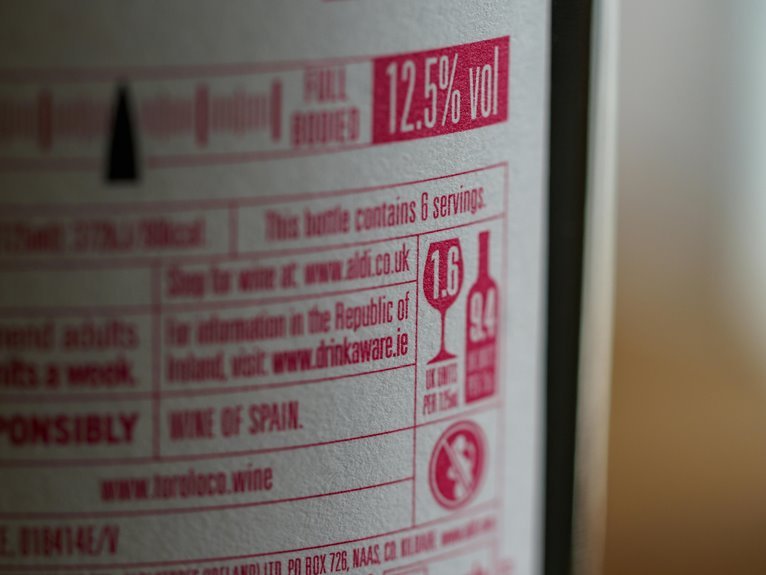
Like a finely tuned instrument, the relationship between residual sugar (RS) and alcohol percentage in beverages reveals intricate layers of flavor and complexity. Understanding how RS influences fermentation can enlighten your appreciation for wines and cocktails alike. As you explore this dynamic, consider how varying levels of sweetness can alter not just flavor, but also the overall potency of your drink. What implications does this have for your next choice?
Understanding Residual Sugar and Its Measurement
While you may enjoy the sweetness in a glass of wine, understanding residual sugar (RS) and its measurement is crucial for grasping a wine’s overall profile.
Measuring RS involves techniques such as spectrophotometry and enzymatic assays, providing precise data on sugar levels.
These measurement techniques enhance your ability to evaluate a wine’s complexity, allowing for informed choices that align with your personal preferences and freedom of taste.
The Impact of RS on Taste and Aromatics
Understanding how residual sugar (RS) influences taste and aromatics is essential for appreciating a wine’s character.
RS contributes significantly to the overall flavor profile, enhancing sweetness and balancing acidity. This interaction creates a complex sensory experience, where the nuances of fruit, spice, and floral notes emerge.
RS Alcohol Percentage in Different Types of Beverages
Residual sugar (RS) not only shapes the taste and aromatics of beverages but also influences their alcohol percentage.
In red wine, higher RS typically correlates with lower alcohol levels, as sugar can inhibit fermentation.
Conversely, sweet cocktails often balance RS and alcohol, creating a pleasurable experience.
Understanding these dynamics empowers you to appreciate how RS affects the complexity of your favorite drinks.
Pairing Tips Based on RS Levels
When selecting food pairings, consider how the residual sugar (RS) levels in your beverage can enhance or contrast with the flavors on your plate.
For dessert pairings, opt for wines with higher RS to complement sweetness.
Conversely, for savory matches, choose drier options that balance saltiness and acidity, creating a harmonious dining experience that lets the flavors shine without overwhelming them.
Conclusion
In the intricate dance of flavor and strength, residual sugar plays a pivotal role in shaping your beverage experience. By understanding how RS influences alcohol percentage, you can make informed choices that elevate your palate. Whether you’re savoring a sweet wine or crafting a cocktail, recognizing this relationship allows you to appreciate the full spectrum of taste and aroma. So, dive into the world of RS and discover how it transforms your favorite drinks into true masterpieces.